
In today's fast-paced world, families are often spread across cities, states, or even countries due to work, education, or life circumstances. While this geographical separation can bring new opportunities, it also poses significant hurdles when it comes to caring for aging loved ones. As a home care professional, I've seen firsthand how long-distance caregiving can strain emotional bonds and logistical plans. But the good news is that with the right strategies, families can navigate these challenges effectively, ensuring their loved ones maintain independence and receive quality care at home.
Let's start with understanding the scope of the issue. According to research, there are an estimated 5 to 7 million long-distance caregivers in the United States, a number that was projected to double by 2020. More recent data indicates that about 15% of family caregivers live more than an hour away from their care recipients, representing around 5 million people. These caregivers, often women around the age of 49, face unique burdens, including higher annual out-of-pocket expenses averaging $12,000—far more than local caregivers due to travel and coordination costs.
The challenges are multifaceted. Emotionally, long-distance caregivers often grapple with guilt, anxiety, and isolation, feeling helpless when they can't be physically present during emergencies or daily needs. Logistically, coordinating medical appointments, managing medications, and ensuring home safety from afar can lead to miscommunication with local providers and added stress. Financially, the costs of frequent trips, technology setups, and hired help can strain budgets, with many caregivers dipping into their own savings or adjusting work schedules. A systematic review of studies highlights that approximately one-third of these caregivers report their role as stressful or very stressful.
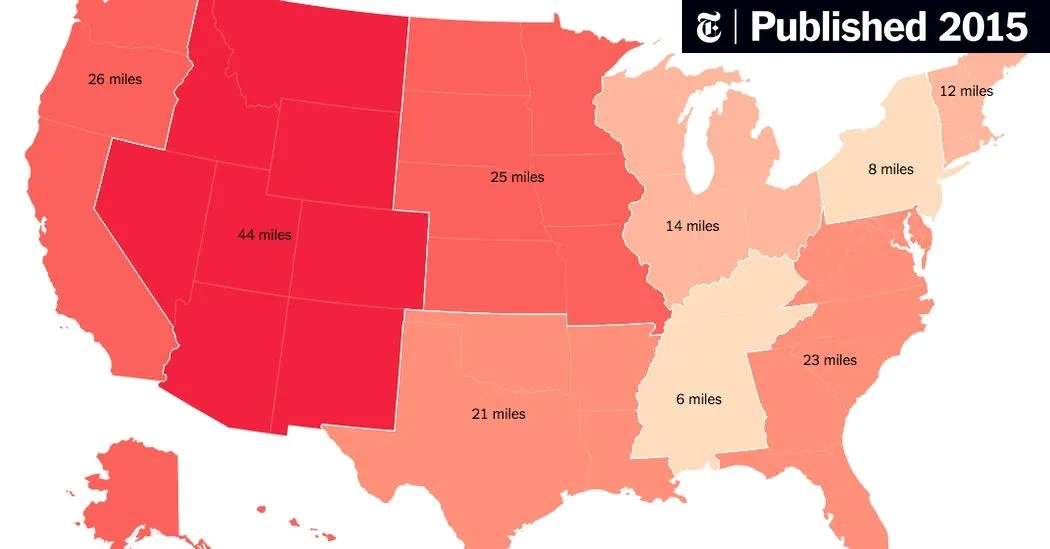
nytimes.comThe Typical American Lives Only 18 Miles From Mom - The New York Times
Despite these obstacles, there are proven ways to bridge the gap and provide meaningful support. Here are some practical strategies drawn from expert insights and real-world applications:
- Leverage Technology for Connection and Monitoring: Modern tools can make distance feel shorter. Video calling apps allow for face-to-face check-ins, while smart home devices like motion sensors or medication dispensers provide real-time alerts. Studies show that technology helps reduce feelings of isolation and improves care coordination. For instance, setting up a shared calendar app can keep everyone informed about appointments and daily routines.
- Build a Local Support Network: You don't have to do it all alone. Enlisting neighbors, friends, or community resources can provide on-the-ground assistance. Hiring a geriatric care manager—a licensed professional who assesses needs and coordinates services—can be invaluable. These experts act as your eyes and ears locally, ensuring your loved one's well-being without constant travel.
- Plan Strategic Visits and Communication: Regular, scheduled calls or virtual visits help maintain emotional bonds. When planning in-person trips, focus on high-impact activities like doctor visits or home modifications. Research emphasizes the importance of open communication to prevent misunderstandings and foster trust among family members.
- Utilize Professional Home Care Services: This is where in-home care shines. Professional aides can handle daily tasks like meal preparation, companionship, and personal care, giving you peace of mind from afar. Services tailored to aging in place promote independence while addressing safety concerns.
aarp.org How to Get a Good Home Health Aide for Your Loved One
By implementing these approaches, families can transform long-distance caregiving from a source of overwhelm into a manageable, supportive system. Remember, maintaining your loved one's independence at home not only enhances their quality of life but also preserves family dynamics.
If you're facing these challenges, don't hesitate to reach out for professional help. Contact Caryan Care today at (512) 367-2597 or email info@caryan.org to learn how our in-home care services can support your family. Visit caryan.org to initiate services and bridge the distance with confidence.