

As a home care professional with years of experience supporting seniors in maintaining their independence, I've seen firsthand how technology is evolving to make aging in place not just possible, but truly empowering. Today, we're on the cusp of a groundbreaking shift: AI and humanoid robotics are poised to redefine the home care landscape. Imagine a world where intelligent companions monitor health, assist with daily tasks, and even provide emotional support—all while complementing the human touch that makes care so special. In this post, we'll explore the ways these innovations will change home care, including realistic timeframes, practical use cases, and vivid scenarios that bring the future to life.
zeiss.com Digital health: how robots support care | ZEISS
Near-Term Changes: The Next 5 Years (2026-2030)
In the coming years, AI will become a staple in home care, driven by advancements in machine learning and sensor technology. Experts predict that by 2030, the eldercare robot market could reach $7.7 billion, with AI-powered systems handling routine tasks to ease the burden on caregivers. Humanoid robots, while still emerging, will start appearing in more homes and facilities, especially in regions like Japan and China where government initiatives are accelerating adoption.
Use Cases and Scenarios:
- Health Monitoring and Fall Detection: AI systems like SmartPeep use cameras and sensors to track vital signs and detect falls in real-time. Picture this: An 82-year-old widow named Martha lives alone but wears a smartwatch integrated with AI. One evening, she slips in the kitchen—the system instantly alerts her family and emergency services, preventing a minor incident from becoming a crisis. In home care, this means fewer hospitalizations and more peace of mind.
- Medication Reminders and Personalized Care Plans: AI chatbots, such as those from StoriiCare, generate customized reminders and care plans based on health data. Scenario: John, a 75-year-old with diabetes, receives a friendly voice prompt from his AI assistant: "Time for your insulin, John—I've noted your blood sugar is stable today." This reduces errors and supports independence, with studies showing improved adherence and reduced health risks.
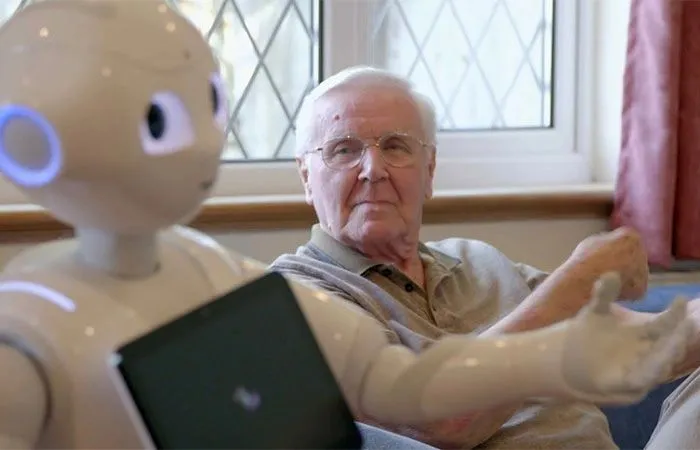
- Companionship to Combat Loneliness: Early humanoid robots like Pepper or ElliQ engage in conversations, play games, and even detect emotional states. Imagine Sarah, an 80-year-old retiree feeling isolated after losing her spouse. Her robot companion initiates a chat: "Tell me about your favorite memory from last summer," drawing on past interactions to foster connection. Research indicates these interactions can lower anxiety and depression in seniors.
roboticsbiz.com Top seven companion and social robots for elderly people - RoboticsBiz
Mid-Term Evolution: 5-10 Years Ahead (2031-2035)
By the early 2030s, humanoid robots will become more affordable and versatile, with market projections hitting $12.2 billion by 2033. AI will integrate seamlessly with smart homes, predicting needs before they arise. Challenges like ethical concerns and adaptability in unstructured environments will be addressed through ongoing trials.
Use Cases and Scenarios:
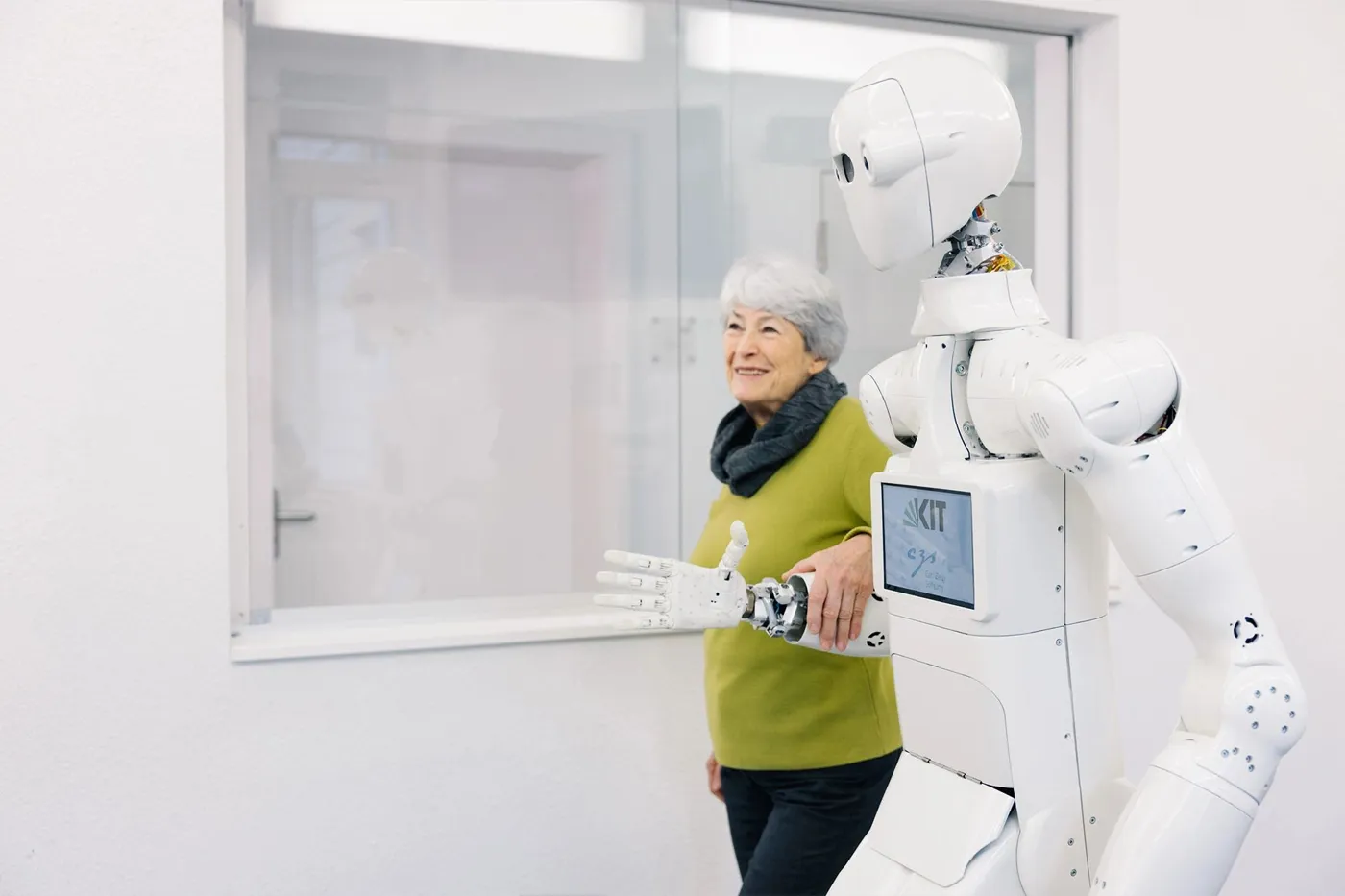
- Mobility and Physical Assistance: Robots like MIT's eldercare prototype or TIAGo help with sitting, standing, and fall prevention. Scenario: Robert, 78, with mobility issues from arthritis, calls his humanoid helper: "Help me up." The robot gently supports him, using sensors to adjust force and catch him if he stumbles—reducing caregiver strain and enabling longer independent living.
- Meal Preparation and Daily Routines: AI-driven humanoids, such as those in the ALMI project, assist with cooking and chores. Envision Linda, 85, directing her robot: "Prepare my oatmeal." It maps the kitchen, grasps ingredients safely, and even monitors for dietary needs, turning a potentially hazardous task into a supported one.
- Cognitive Support and Rehabilitation: Robots like Ruyi or Paro offer games and therapy for those with dementia. Scenario: Emma, 77, with early Alzheimer's, plays memory quizzes with her robot, which adapts difficulty based on her progress. This not only boosts cognitive health but also provides data for caregivers to refine care plans.
news.mit.edu Eldercare robot helps people sit and stand, and catches them if they fall | MIT News | Massachusetts Institute of Technology
Long-Term Vision: Beyond 2035
Looking further ahead, humanoid robots could be as common as smartphones, with full series production in homes by the 2040s. AI will enable predictive healthcare, where systems anticipate issues like UTIs from subtle patterns in behavior and vitals. These technologies will promote "aging in place" on a massive scale, reducing the need for institutional care and addressing global caregiver shortages.
Use Cases and Scenarios:
- Integrated Smart Home Ecosystems: AI oversees everything from lighting to emergency responses. Scenario: For 90-year-old George, his home AI detects irregular heart rhythms overnight, alerts his humanoid robot to check on him, and connects to a telehealth doctor—all without waking the family unnecessarily.
- Emotional and Social Engagement: Advanced humanoids like Nadine or Ameca provide deep companionship. Imagine Alice, 88, sharing stories with her robot, which uses empathy algorithms to respond thoughtfully, even coordinating virtual family visits to combat isolation.
- Hybrid Care Models: Robots handle logistics, freeing human caregivers for meaningful interactions. Scenario: In a home care visit, a professional reviews AI-collected data on vital trends, allowing more time for personal conversations and adjustments to maintain independence.
digicrusader.com AI in Smart Homes: 15 Revolutionary Automation Gadgets (2025)
While these advancements are exciting, they won't replace the warmth of human care—they'll enhance it. At Caryan Care, we're already working to incorporate tech like AI monitoring to support our personalized services, ensuring seniors age with dignity and joy.
Ready to explore how home care can help you or a loved one maintain independence today? Contact Caryan Care at (512) 367-2597 or info@caryan.org, or visit caryan.org to initiate services. Let's build a brighter future together!