
As we navigate the evolving landscape of aging and in-home care, artificial intelligence (AI) is emerging as a transformative force that's set to redefine how we maintain independence at home. With advancements in AI for home care accelerating rapidly, the next five years promise innovations that could make elderly care more proactive, personalized, and efficient. Imagine a world where technology anticipates health needs before they become emergencies, allowing seniors to age gracefully in the comfort of their own homes. In this post, we'll explore the key impacts of AI on home care, drawing from recent industry insights to highlight how these changes will empower families and caregivers alike.
Predictive Health Monitoring: Preventing Crises Before They Happen
One of the most exciting developments in AI for elderly care is predictive analytics, which uses data from wearables and sensors to forecast health issues. Studies show that AI-driven tools can reduce avoidable hospitalizations by up to 27% by detecting early signs of deterioration. Over the next five years, expect widespread adoption of these systems in home-based care, integrating with electronic health records (EHRs) to provide real-time alerts to caregivers and medical professionals.
This shift toward proactive care means fewer emergency room visits and better adherence to treatment plans. For instance, AI algorithms could analyze patterns in vital signs, medication intake, and daily activities to flag risks like falls or infections weeks in advance. By enabling early interventions, AI not only enhances safety but also supports long-term independence for aging adults.
Virtual Care Assistants: Your 24/7 Companion
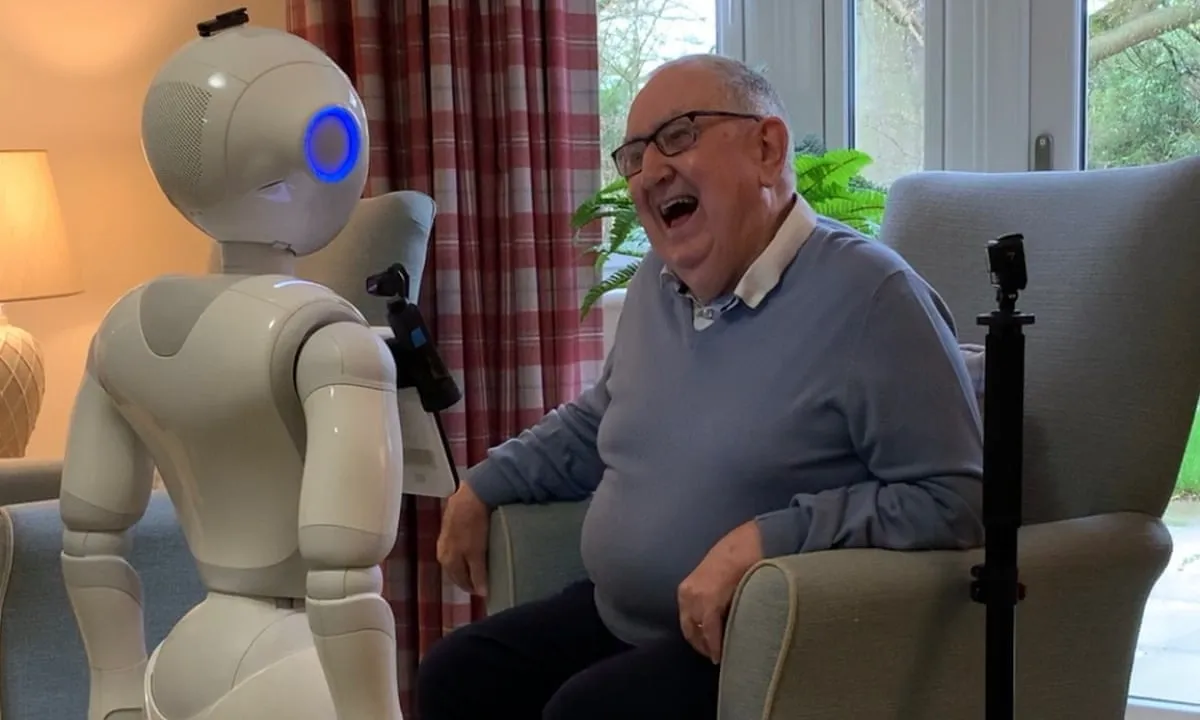
AI agents and virtual assistants are poised to become indispensable in home care, acting as round-the-clock coordinators that handle everything from medication reminders to emotional support. In the coming years, these technologies will evolve into sophisticated companions, using natural language processing to engage in conversations and combat loneliness. Voice-activated AI designed for seniors will provide companionship, emergency communication, and even generate care plans based on existing health data.
theguardian.comRobots to be used in UK care homes to help reduce loneliness | Social care | The Guardian
Picture an AI chatbot with a friendly name like "Clare" that checks in daily, reminds you of appointments, and escalates concerns to human caregivers when needed. This augmentation will be crucial in addressing workforce shortages, allowing human caregivers to focus on complex, empathetic interactions while AI handles routine tasks.
Smart Home Integration: Creating Safer Living Spaces
The convergence of AI with smart home devices will create seamless, responsive environments tailored to individual needs. By 2030, AI is expected to integrate lighting, temperature controls, and safety systems with health monitoring for optimal comfort and security. In the next five years, we'll see AI-powered homes that automatically adjust to prevent accidents—think motion sensors that detect unusual patterns and alert family members.
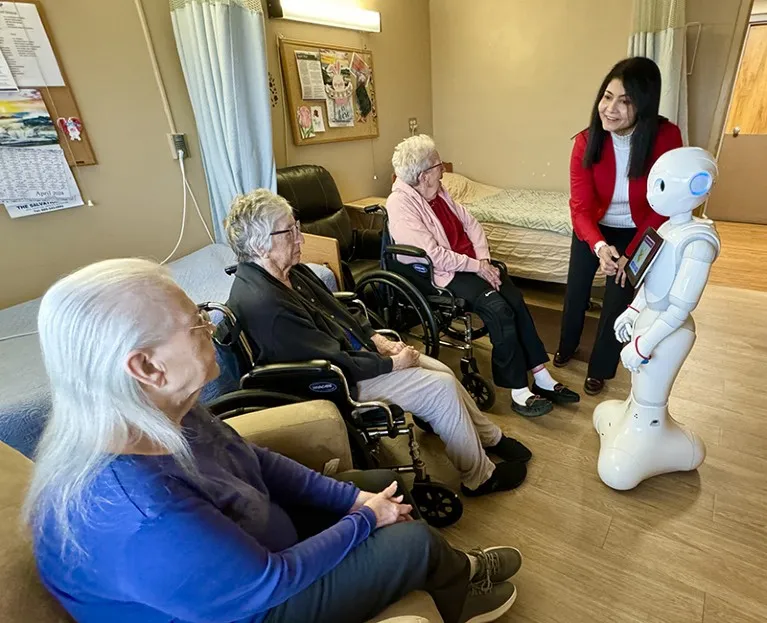
nature.comAre robots the solution to the crisis in older-person care?
This integration extends to robotics, where AI-driven devices assist with mobility, such as helping seniors stand or catch them during falls. For home care providers, this means more efficient monitoring and reduced risks, ultimately fostering a sense of security that encourages aging in place.
Enhanced Caregiver Efficiency: Augmenting the Human Touch
AI won't replace caregivers; instead, it will empower them by automating administrative burdens like scheduling, documentation, and workflow management. Real-time transcription tools and AI co-pilots will free up time for meaningful patient interactions, boosting productivity and reducing burnout.
In wound care and nursing, AI will serve as a decision-support tool, analyzing images and data to suggest treatments without overriding human judgment. Over the next five years, agencies will invest in upskilling programs to ensure caregivers can collaborate effectively with AI, leading to higher quality care and better outcomes.
Ethical Considerations and Future Outlook
While the benefits are immense, implementing AI in home care must prioritize fairness and ethics. Concerns include potential errors, data privacy, and the risk of creating additional labor for caregivers. Nurses emphasize that AI should enhance, not replace, the person-centered approach that defines quality care. As the industry moves forward, balanced adoption will be key to maximizing AI's potential while safeguarding human elements.
Looking ahead, AI's role in home care will drive a more value-based, outcomes-focused model, with startups leading innovation and capturing significant market share. This evolution promises a future where technology and compassion work hand in hand to support independent living.
In conclusion, the AI revolution in home care over the next five years will usher in an era of smarter, safer, and more personalized support for aging adults. By embracing these advancements, we can ensure that seniors maintain their independence with dignity and peace of mind. If you're exploring ways to integrate innovative home care solutions for yourself or a loved one, contact Caryan Care today at (512) 367-2597, email info@caryan.org, or visit caryan.org to initiate services and discover how we can help you thrive at home.