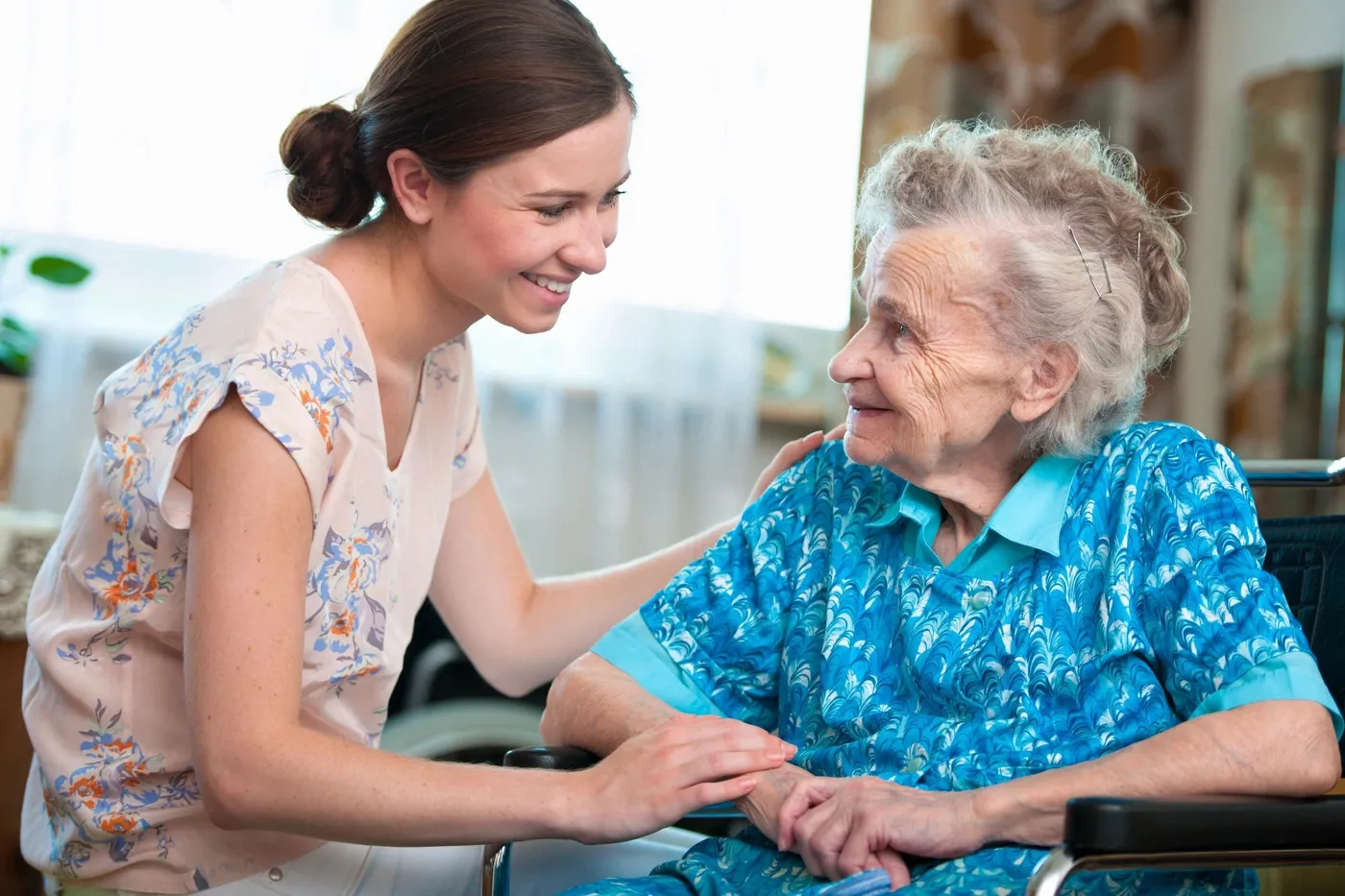

As families navigate the natural progression of life, aging often introduces challenges that touch every relationship. Your once-independent parent may now need assistance with everyday tasks, shifting dynamics in profound ways. This isn't just about one person—it's a family-wide experience that can strain marriages, parent-child bonds, and sibling connections. In my work as a home care professional, I've witnessed these pressures firsthand, but I've also seen how professional in-home support can restore balance, reduce tension, and even deepen family closeness. Let's dive into the realities and the positive path forward.
The Toll on Marriages: Caregiving as an Unwelcome Third Partner
When an aging loved one requires ongoing help, spouses often bear the brunt. The primary caregiver—frequently a spouse or adult child—ends up devoting hours to appointments, personal care, and emotional support, leaving little room for couple time. This can lead to resentment, emotional distance, or arguments over responsibilities. As noted in resources from AgingCare.com, the chronic stress of caregiving mirrors features of prolonged strain, impacting work, family, and intimacy, often resulting in burnout that spills over into the marriage.
Many couples feel the spark dim as caregiving takes priority, but relief is possible when external support allows them to reclaim shared moments and nurture their relationship.
Parent-Child Dynamics: The Heartbreaking Role Reversal
Adult children frequently step into caregiving roles, managing health decisions, finances, and daily needs. This reversal brings gratitude but also grief—for the parent's lost independence and the child's added burdens. Balancing this with work, their own children, and personal life can spark guilt, frustration, or tension. Research highlights how prolonged caregiving, especially for very old parents, adds emotional weight, with children facing their own age-related challenges (as explored in studies on PMC).

Visits that once focused on joy become task-heavy, affecting grandchildren too. Yet, when the practical load lightens, families report more meaningful interactions and renewed appreciation.
Sibling Strains and Wider Family Ripples
Siblings may clash over care decisions or unequal contributions, reigniting old dynamics or creating new divides. One nearby sibling often shoulders most duties, fostering resentment. Holidays or gatherings can turn stressful rather than celebratory.
According to the AARP and National Alliance for Caregiving's Caregiving in the US 2025 report, nearly 63 million Americans are family caregivers—a nearly 50% increase since 2015—with many experiencing significant stress that ripples through relationships (source: aarp.org/pri/topics/ltss/family-caregiving/caregiving-in-the-us-2025).
The Healing Power of Home Care: Rebuilding Stronger Bonds
Professional in-home care changes the equation by providing reliable, compassionate assistance right where your loved one lives. Caregivers handle meals, mobility, hygiene, and companionship, easing daily pressures so family members can prioritize emotional connection over logistics.

This respite prevents burnout, allowing spouses to enjoy couple time, children to visit without exhaustion, and siblings to collaborate without overload. Families often find that quality time—laughing, sharing stories, or simply being present—replaces obligation, strengthening ties and preserving dignity for the aging loved one.
Home care isn't about replacing family—it's about empowering everyone to show up as their best selves, turning potential conflict into deeper connection.
If these challenges sound familiar in your family, don't wait for tensions to build. Reach out to Caryan Care for personalized in-home support that honors independence and nurtures relationships. Contact us today at (512) 367-2597, email info@caryan.org, or visit caryan.org to get started. Let's transform aging into a time of closeness and care for your whole family.